In his year-end interview with CBC News, Prime Minister Mark Carney outlined Canada’s parameters for engaging with China as his government cautiously navigates a renewed relationship with the economic giant. Almost simultaneously, the U.S. Department of Defense released its China Military Power Report, which Chinese officials denounced as yet another attempt to amplify the so-called “China threat theory.”
Just days after Carney remarked that Canada is “having a rapprochement with China,” Newsweek published an analytical piece titled “China’s Plans to Dominate at Sea in 2026,” portraying China as an emerging global threat — particularly to North America.
While Chinese officials are likely to dismiss the piece as another reiteration of the “China threat” rhetoric, most of the naval developments cited are verifiable facts already reported by Chinese media. With little new information available, Newsweek appears to have relied on a sensational headline to capture attention on New Year’s Day.
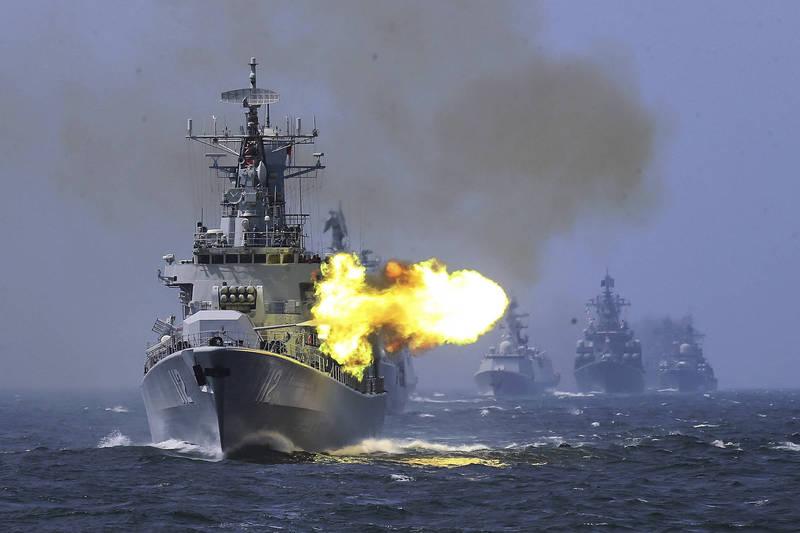
Newsweek cited statistics claiming that China has built the world’s largest navy — over 370 warships and submarines, including three aircraft carriers. As America’s main maritime rival, China is expected to continue rapidly modernizing its navy and expanding its presence at sea in the coming year, according to the report.
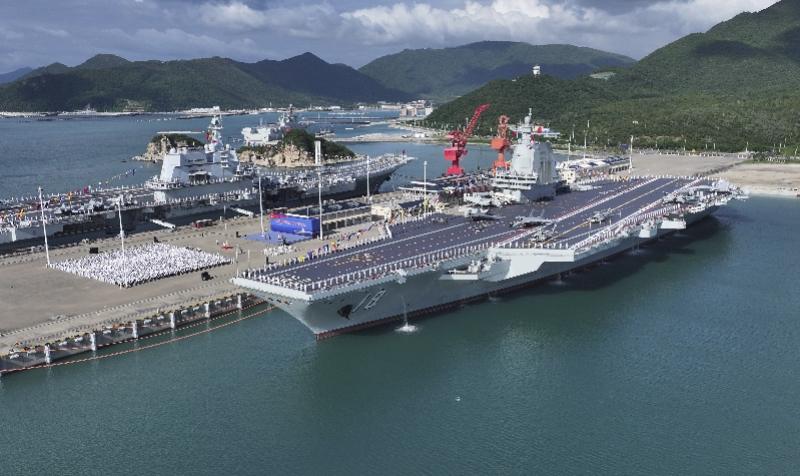
It is true that China’s shipbuilding capacity and power projection capabilities have both advanced markedly. The advanced Fujian aircraft carrier entered active service, and the PLA Navy conducted multiple long-range exercises, including its first dual-carrier operation in the Western Pacific. Two high-profile naval presences near Australia also drew global attention.
Undeniably, China is demonstrating an increasing ability to challenge U.S. naval dominance as its fleets operate farther from home. Combined with a vast missile arsenal, its maritime buildup forms a key component of China’s effort to counter U.S. presence along the “first island chain” in Asia.
Yet an inconvenient fact remains: China’s principal naval focus is still on the Western Pacific and the nearby Indian Ocean. To portray China as an imminent threat to North America — including Canada — is an overstretch of both geography and intent.
Beijing, as it has consistently maintained, emphasizes that its military development is “entirely aimed at safeguarding national sovereignty, security, and development interests,” with no intention of targeting any third party.
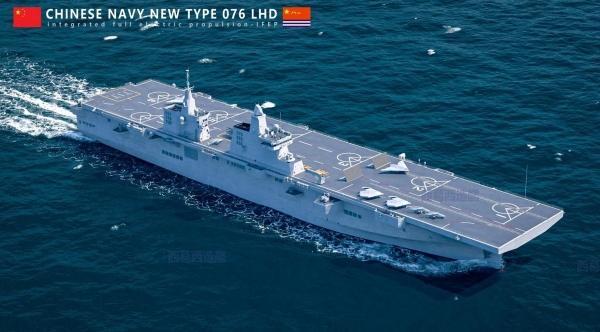
Tom Shugart, senior fellow at the Center for a New American Security (CNAS), noted China’s continued construction of another nuclear-powered carrier. He also highlighted the new stealth frigate and the Type 076 amphibious assault ship — capable of serving as both a landing platform and a carrier for unmanned aerial vehicles (UAVs) — describing it as “a class of warship currently unique to China.”
Shugart further pointed to rising Sino-Japanese tensions, citing Japan’s claim that a Chinese jet had locked its radar on a Japanese aircraft — an “ominous sign,” in his view.
However, the broader point remains: although the Chinese navy currently ranks first in total ship tonnage, its actual combat capability still trails far behind.
The clearest indicator of modern sea power — aircraft carriers — decisively favors the United States, which operates 11 carrier strike groups. China, including the not-yet-battle-ready Fujian, has only three.
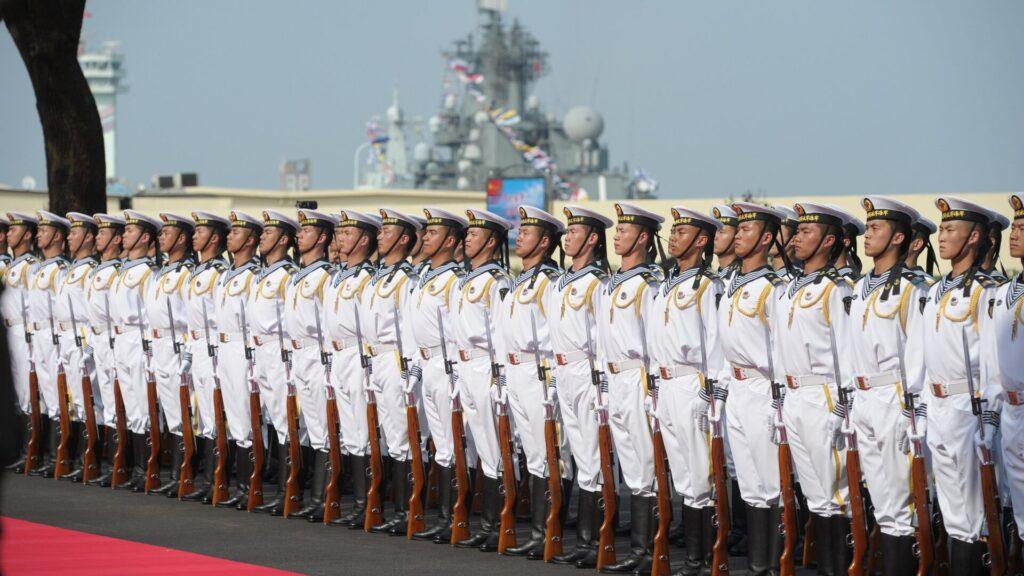
The Liaoning and Shandong remain far less capable than America’s nuclear-powered carriers, and Chinese naval personnel lack the real combat experience of their U.S. counterparts.
Even Newsweek conceded that it remains uncertain whether China will proceed with additional next-generation warships. The report also acknowledged that one of the PLA Navy’s main goals for 2026 is to strengthen amphibious capabilities — integrating landing craft and expanding the use of civilian vessels in amphibious drills.
The grand military parade on September 3 last year showcased equipment that
amazed both domestic and foreign analysts familiar with the PLA, particularly the rapid progress of its navy and air force. Yet key questions persist: Does China truly have the capability to dominate the seas — or even the capacity to plan such domination?
As the world’s second-largest economy and home to the largest ocean-going merchant fleet, China understandably seeks a military strong enough to secure its global economic interests. Still, the West remains uneasy with a rising, communist China. The “China threat” narrative — more a product of rhetorical maneuvering than of sober analysis — continues to dominate Western headlines.
It seems Newsweek has already affixed the “hegemon” label to Beijing. Whether China intends or is able to dominate the seas is perhaps less important to the magazine than maintaining a narrative that sustains engagement and clicks.
In contrast, the Canadian government’s pragmatic caution in managing China relations — recognizing both risks and opportunities — may prove to serve the nation’s interests far better.
指其是「一個不祥的跡像」。
文章引多名西方的軍事專家分析說,中國海軍可能會在2026年擴大部署範圍,包括增加部署頻率和持續時間,並前往更遠的地區。「跨越國際日期變更線的遠
海任務很可能會成為其中一部分。」不過,專家認為,中國海軍的重點仍將放在西太平洋及鄰近的印度洋地區。
文章認為,中國海軍在2026年發展的另一個主要目標是持續增強的登陸能力,包括進一步整合登陸艇以及在兩棲演習中使用民用船只。
文章指 《新聞周刊》稱,隨著美國加大造船力度,並向前沿部署兵力以維持其在太平洋地區的軍事存在,中國是否會進一步增強其海上力量,包括建造新型艦艇,這些都還有待觀察。
作為平衡報道,該文也請中國駐美國大使館發言人劉鵬宇回應。他則重申了中國的立場,強調中國的軍事發展不針對任何第三方,這些發展完全是為了維護國家主權、安全和發展利益。
他還表示,中國航母的未來發展計劃將根據國防需要進行全面考慮,必須強調的是,中國走和平發展道路的戰略抉擇,獨立自主的和平外交政策,決定了中國始終不渝奉行防御性國防政策。
雖然中國官方一定會再指這篇文章也是「中國軍事威脅論」炒作,但事實上文章內談到的中國海軍發展大多為中國官方報道過的「事實」,但稱「中國計劃2026『稱霸海上』」則是「標題黨」無疑。
中國軍事力量近年的確高速發展,特別是去年「九三」大閱兵展現的裝備,連很多熟悉中國軍事的中外專家都「大吃一惊」,其中中國海空軍的發展更是令人注目,但中國真具有「稱霸」實力?或是「計劃稱霸」的實力嗎?
眾所周知,若以噸位計,中國海軍艦船噸位早已是世界第一,但以軍事實力,離「第一」則很遠。單以現代海軍最具代表性的航母比較,美軍有11個航母艦隊,中國加上還沒有形成戰力的「福建艦」也只有三艘航母,而其中的「遼寧艦」和「山東艦」戰力也無法和美軍的核動力航母相提並論。而更為重要的是美軍的航母和海軍人員不少具實戰經驗。
中國的經濟規模已是世界第二,有全球最大規模遠航商船隊,經濟利益涉及全球。中國需要有相應的軍事實力來維護自己的經濟利益,保護自己的安全,無可厚非。但是,對於主導世界百年的西方來說,不同於西方的中國「共產政權」是無法讓人放心的。於是,不論中國是否想「稱霸」,中國是否有實力「稱霸」,西方都先把「稱霸」這頂帽子扣到了中國頭上。
指其是「一個不祥的跡像」。
文章引多名西方的軍事專家分析說,中國海軍可能會在2026年擴大部署範圍,包括增加部署頻率和持續時間,並前往更遠的地區。「跨越國際日期變更線的遠
海任務很可能會成為其中一部分。」不過,專家認為,中國海軍的重點仍將放在西太平洋及鄰近的印度洋地區。
文章認為,中國海軍在2026年發展的另一個主要目標是持續增強的登陸能力,包括進一步整合登陸艇以及在兩棲演習中使用民用船只。
文章指 《新聞周刊》稱,隨著美國加大造船力度,並向前沿部署兵力以維持其在太平洋地區的軍事存在,中國是否會進一步增強其海上力量,包括建造新型艦艇,這些都還有待觀察。
作為平衡報道,該文也請中國駐美國大使館發言人劉鵬宇回應。他則重申了中國的立場,強調中國的軍事發展不針對任何第三方,這些發展完全是為了維護國家主權、安全和發展利益。
他還表示,中國航母的未來發展計劃將根據國防需要進行全面考慮,必須強調的是,中國走和平發展道路的戰略抉擇,獨立自主的和平外交政策,決定了中國始終不渝奉行防御性國防政策。
雖然中國官方一定會再指這篇文章也是「中國軍事威脅論」炒作,但事實上文章內談到的中國海軍發展大多為中國官方報道過的「事實」,但稱「中國計劃2026『稱霸海上』」則是「標題黨」無疑。
中國軍事力量近年的確高速發展,特別是去年「九三」大閱兵展現的裝備,連很多熟悉中國軍事的中外專家都「大吃一惊」,其中中國海空軍的發展更是令人注目,但中國真具有「稱霸」實力?或是「計劃稱霸」的實力嗎?
眾所周知,若以噸位計,中國海軍艦船噸位早已是世界第一,但以軍事實力,離「第一」則很遠。單以現代海軍最具代表性的航母比較,美軍有11個航母艦隊,中國加上還沒有形成戰力的「福建艦」也只有三艘航母,而其中的「遼寧艦」和「山東艦」戰力也無法和美軍的核動力航母相提並論。而更為重要的是美軍的航母和海軍人員不少具實戰經驗。
中國的經濟規模已是世界第二,有全球最大規模遠航商船隊,經濟利益涉及全球。中國需要有相應的軍事實力來維護自己的經濟利益,保護自己的安全,無可厚非。但是,對於主導世界百年的西方來說,不同於西方的中國「共產政權」是無法讓人放心的。於是,不論中國是否想「稱霸」,中國是否有實力「稱霸」,西方都先把「稱霸」這頂帽子扣到了中國頭上。
Leave a Reply