To understand what has happened to Canada and Hong Kong, we need to trace back to 1215, a milestone in history that shaped British Christianity and medieval China in very different ways.
In England, King John, under pressure from his barons, sealed the Magna Carta (the Great Charter) at Runnymede. This groundbreaking royal charter limited the sovereign’s power and affirmed rights for free men, especially the protection of private property. The Magna Carta established the principle that even the king must obey the law, laying the foundation for constitutional governance and legal protections in Britain, which later became fundamental to Canada’s political system.
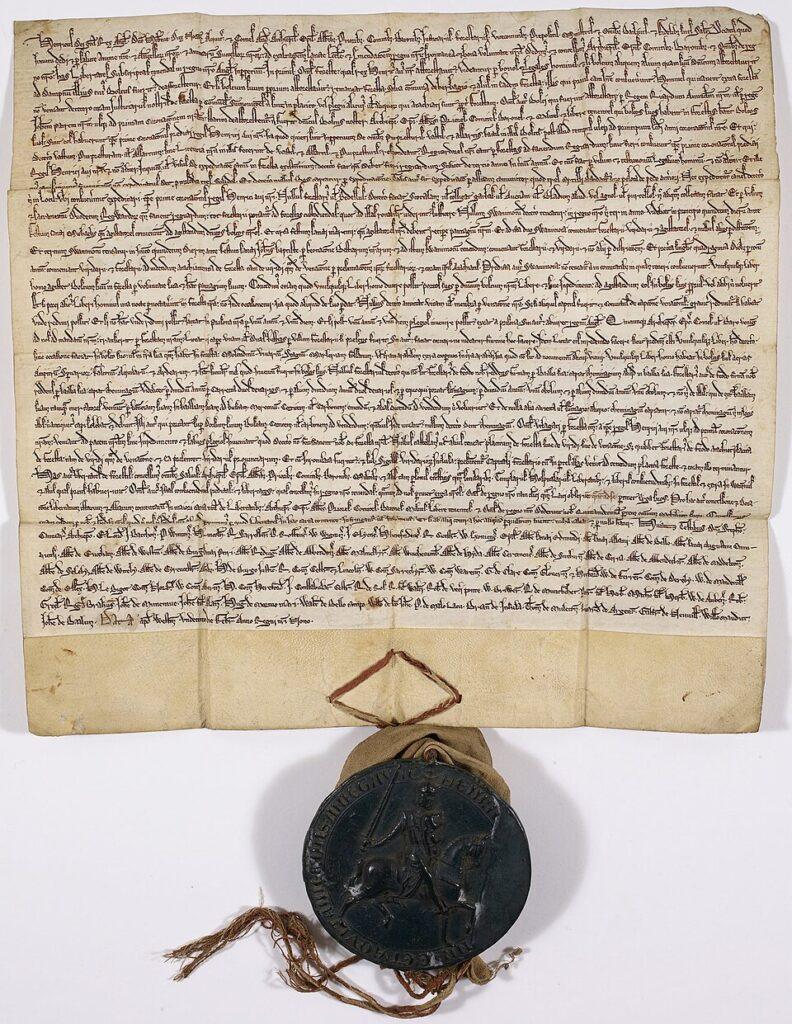
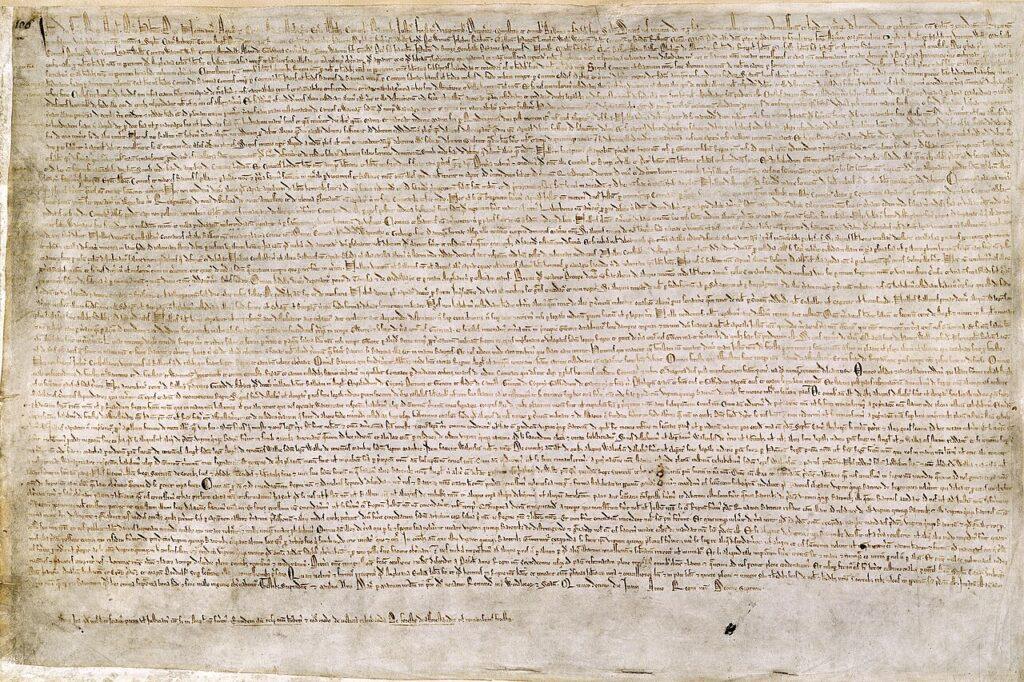
The Magna Carta’s principle that private property should be safeguarded from arbitrary interference by the sovereign became a cornerstone of British society and the Christian world from the 13th century onward. Over time, Britain developed a stable system where wealth accumulation and protection were secured, fostering economic growth and individual rights both in England and its colonies, including Canada and Hong Kong of 19th and 20th centuries.
Canada’s bond with Britain was cemented in 1763 when the Treaty of Paris was signed between Great Britain and France. That same year, William Pitt, Earl of Chatham, famously articulated the ethos of protecting private property with his famous quote, “The poorest man may in his cottage bid defiance to all the forces of the Crown. It may be frail—its roof may shake—the wind may blow through it—the storm may enter—the rain may enter—but the King of England cannot enter!”
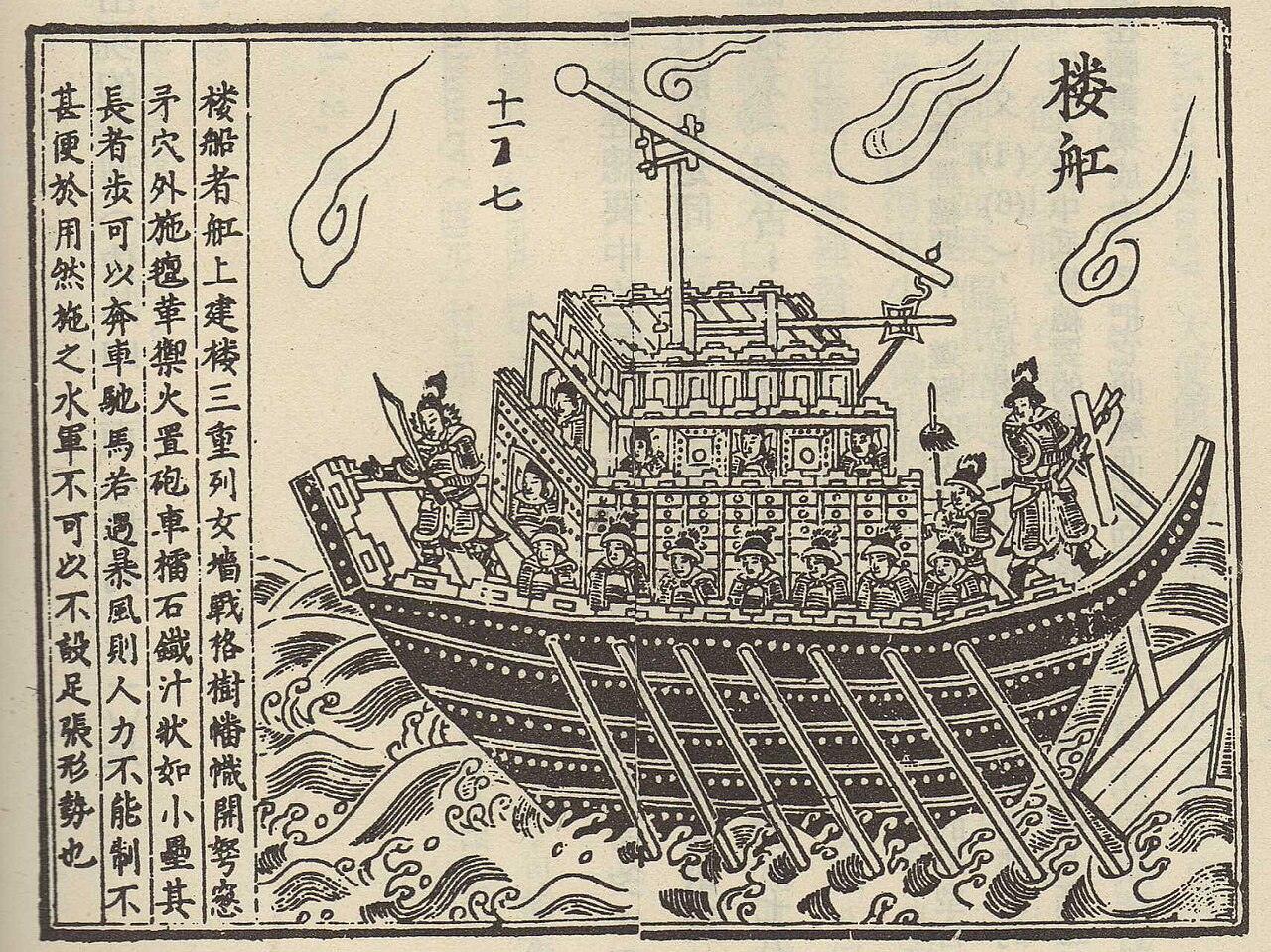
In contrast, 1215 in China marked the beginning of the Mongol era. Genghis Khan initiated his expeditions to the south and west that year. His grandson, Kublai Khan, born in 1215, ultimately conquered the Song Dynasty in 1271, leaving devastation and massive population loss—nearly 90 percent of the population in Southern China perished due to the invasion. China was thereafter ruled by emperors wielding absolute power through Machiavellian scholar-officials.
By 1763, while British forefathers were affirming property rights in Canada, China’s richest official, Heshen, was getting himself well prepared for his career success. He soon rose dramatically, and also fell within days, if not months. From 1763 to 1799, he accumulated vast wealth under imperial favor. Then, when Emperor Qianlong died in 1799, he was executed by the successor emperor within weeks, and his wealth confiscated without legal protection or recourse. This episode exemplifies how private wealth in China was vulnerable to imperial whim rather than safeguarded by an independent legal system.
Hong Kong was considered a “blessed place”—a barren island permanently ceded to Britain and developed under the same legal system as Canada. It remains the only common law jurisdiction among Chinese communities. Although Heshen’s tragedy occurred nearly 200 years earlier, many businessmen in Hong Kong felt insecure after the Communist Party took control in 1997. Some conglomerates, such as Jardine Matheson, chose to leave, while others diversified their asset portfolios to minimize risk.
China has only recently begun developing frameworks to protect private wealth amid its evolving political landscape. In the 1990s, Beijing discussed legislation to protect private property, but substantial progress was limited. Some American investors, including McDonald’s, refrained from purchasing properties in China even during its market boom. They are, in a sense, standing on the right side of history.
1215年的預示
要理解加拿大和香港發生的變化,我們需要回溯到1215年,這一年是歷史上的一個里程碑,以截然不同的方式塑造了英格蘭基督教世界和中國元明清三代。
先看英格蘭,國王約翰在其諸侯的壓力下,于拉尼米德簽署了《大憲章》(Magna Carta)。這份開創性立法的限制了君主的權力,確認了自由民的權利,尤其是對私有財產的保護。《大憲章》確立了即使是國王也必須遵守法律的原則,為英國的憲政治理和法律保護奠定了基礎,後來這一原則也成為加拿大政治體制的基礎。
從13世紀起,《大憲章》中保護私有財產免受君主任意干涉的原則成為英國社會和基督教世界的基石。隨著時間推移,英國建立一個能夠內部制衡、司法獨立的民主政治體系,從而使財富積累和保護得以保障,促進了英格蘭本土及其殖民地(包括加拿大和19、20世紀的香港)的經濟增長。
1763年,英國和法國簽署了《巴黎條約》,確立了加拿大英國殖民地的地位。同年,查塔姆伯爵威廉·皮特用著名的話語闡述了保護私有財產的精神:“即使是最貧窮的人,也可以在自己的茅屋中蔑視皇家的一切力量。那茅屋可能搖搖欲墜,風可能吹進屋裡,風暴可能來襲,雨水可能滲入——但英國國王不可進入!”
回頭看中國,1215年則標誌著蒙古人時代的開始。這一年,成吉思汗開啟了南征與西討,而他的孫子忽必烈也于這一年出生。忽必烈於1271滅了南宋,過程極其慘烈,南方的人口減少近90%。此後,中國的皇帝坐擁絕對皇權,而文官體系則充滿殘酷的政治鬥爭。
及至1763年,正當英國先祖在加拿大建立私有財產不可侵犯的社會管理體系時,和珅正在積極努力走入仕途。隨後他官運亨通,從1763年至1799年,他成為乾隆皇帝的寵臣,成為巨富。1799年乾隆皇帝駕崩,他隨即被嘉慶皇帝處決,所有財富當即充公,整個過程毫無任何法律保護或者救濟手段。在中國,私人財富在受帝王所左右,“普天之下莫非王土”的觀念深入人心,財產不僅在法律上,甚至在觀念上也未能得到獨立的司法體系予以保護。首富尚且如此,平民自不必說。
然而,香港被視為“福地”。它原本是一個荒蕪的小島,清朝時永久割讓給英國,因而得以在普通法體系下發展、壯大,和加拿大一樣。現在,香港仍然是華人社區中唯一採納普通法的司法管轄區。1997年,距離和珅的充公已是198年,但香港商人仍感到不安,不知道他們的私有財產是否能夠得到法律保護。一些財團(如怡和集團)躲之不及,其他則通過多元化資產組合來降低風險。
事實上,中國直到近年才開始在不斷變化的政治環境中嘗試建立保護私人財富的框架。1990年代,社會甚至討論立法保護私有財產不可起凡,但最終不了了之。有鑑於此,包括微軟在內的一些美國投資者一直租用辦公地點,拒絕在中國購置房產。某種意義上,他們或許 站在了歷史的正確一邊。
Leave a Reply